 Cart
CartIf someone tells you Zodiacs are always the “better” choice out here, they’re overselling it. They’re exciting—but they’re not always the best experience for everyone or every excursion in Tofino.
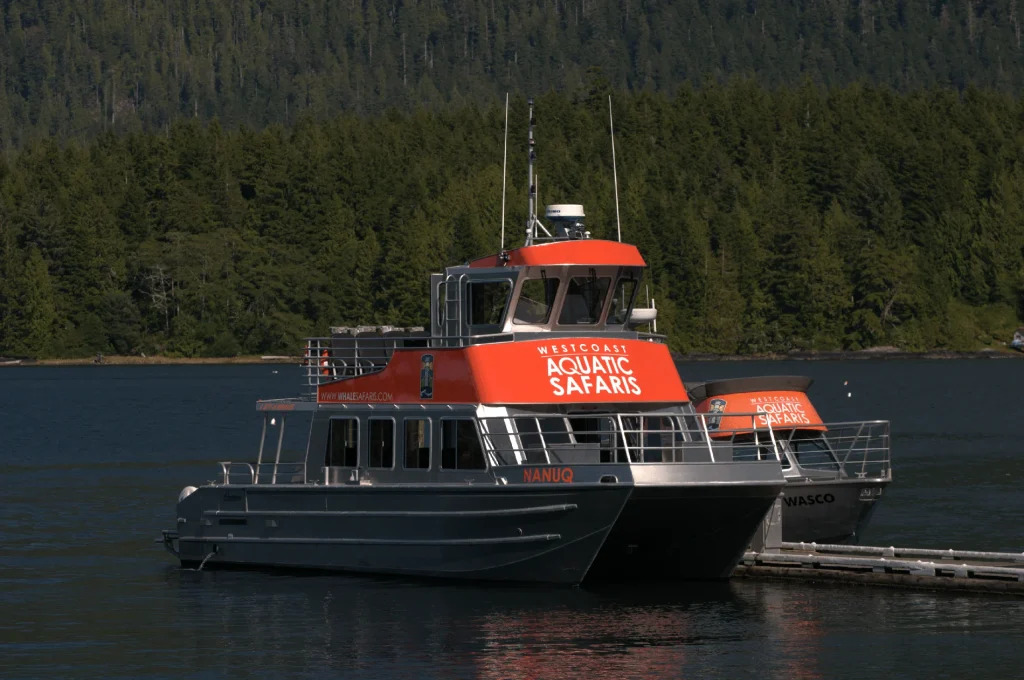
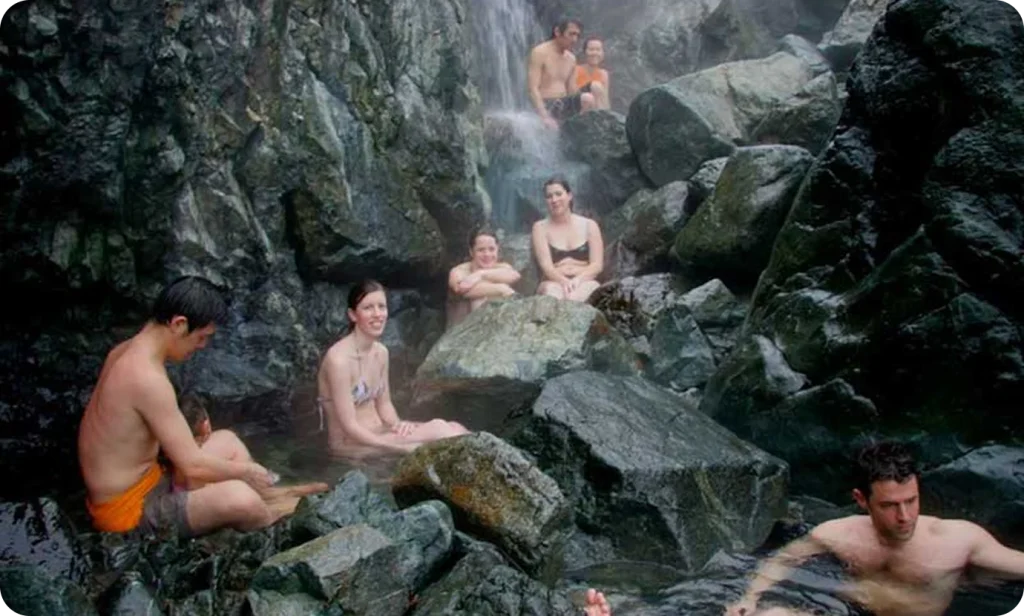
Covered crew boats with decks and onboard restrooms offer a more comfortable, well-rounded, and often more memorable way to experience whale watching, bear viewing, and trips to Hot Springs Cove. Many whale watching boat tours even feature outdoor decks specifically designed for marine mammal observation, fully glazed interior rooms with 180-degree panoramic views, and onboard amenities such as bistros and complete restroom facilities for passenger comfort.
Comfort—and actually enjoying the West Coast weather
Tofino’s weather is part of the magic—morning mist, shifting light, calm glassy water, or dramatic coastal fog rolling through the islands. On a covered vessel, guests can experience all of that without being drenched or chilled. You can step out onto the deck for fresh air and views, then head back inside to warm up with a coffee. Instead of enduring the weather, you get to enjoy it and have a great time throughout your trip.
Protection from the elements when needed
Conditions can change quickly on the west coast. Wind, rain, and ocean spray are common. Covered boats provide shelter, heated cabins, and dry seating, making longer journeys far more comfortable. On a Zodiac, guests are fully exposed the entire time.
Stability and accessibility
Larger vessels are more stable in open water, which means a smoother ride and less fatigue. They’re also easier to board and move around on—ideal for families, older guests, or anyone who prefers a more relaxed experience.
Restroom onboard
A simple but important difference—especially on multi-hour tours. Having a restroom onboard makes the experience far more comfortable. Zodiacs don’t offer that.
Wildlife viewing experience
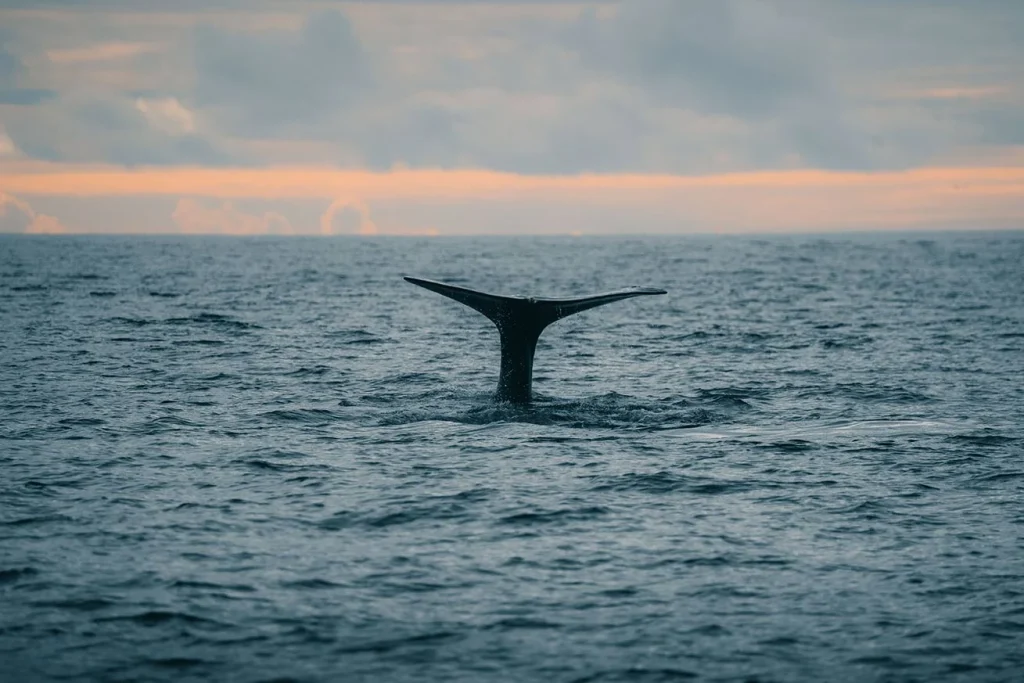
With open deck space and higher vantage points, guests can spread out and take in wildlife from multiple angles. Whether it’s watching whales surface offshore, bears foraging along the shoreline, or observing seals, harbour seals, porpoises, eagles, and even majestic bald eagles soaring above, the experience is more relaxed and immersive. Whale watching excursions often include a whale guarantee—if no whales are seen during your trip, many operators invite you back for free to ensure memorable sightings.
Photography and overall experience
A dry, stable platform makes a huge difference for photos. Guests can move around, take their time, and capture better shots without worrying about spray or holding on through rough sections. Taking photos of whales, seals, eagles, and the stunning scenery helps create memorable moments that last long after the excursion ends.
Safety and range
Covered crew boats are built for coastal conditions and longer runs, like out to Hot Springs Cove. They offer a more controlled and comfortable environment if weather shifts—which it often does here.
Zodiacs absolutely have their place—they’re faster and offer a more adrenaline-focused ride. But for guests looking to truly take in the scenery, wildlife, and unique coastal atmosphere of Tofino, a covered vessel turns the weather from something you “deal with” into something that enhances the entire experience. Many boat tours also feature experienced naturalist guides who provide educational commentary about marine life and the local ecosystem during the trip, making each excursion both informative and unforgettable.
Introduction
Whale watching isn’t some casual weekend hobby—it’s a high-stakes encounter with nature’s most magnificent creatures, and if you’re not riding the right boat, you’re just another tourist burning money on mediocre memories. Whether you’re hunting for humpbacks launching themselves skyward, orcas slicing through swells like ocean torpedoes, or sea lions sprawled on rocks like they own the place, your boat choice separates unforgettable wildlife encounters from expensive disappointment. You can’t just book any floating vessel and expect whale magic to happen.
This guide cuts through the fluff and gives you exactly what you need to choose whale watching boats that actually deliver. We’re talking real intel for travelers, families, and wildlife junkies who refuse to settle for second-rate ocean adventures—whether you’re a whale watching rookie or you’ve been chasing marine mammals for years. No complicated theories, no useless filler—just straight-up tactics for picking the right vessel, knowing what to expect once you’re aboard, and maximizing your odds of witnessing nature’s greatest show.
The boats that dominate the whale watching game don’t mess around with comfort, safety, or viewing angles—they engineer every detail to keep you glued to the action while nature puts on a performance you’ll never forget.
Understanding Whale Watching Boats
Whale watching boats aren’t just floating platforms—they’re precision-engineered wildlife spotting machines built to dominate the open water and deliver the goods when it comes to marine encounters. These vessels cut through ocean conditions like they own the place, engineered specifically to handle whatever the sea throws at them while positioning you exactly where you need to be for those money-shot whale sightings. The right boat doesn’t just “enhance your experience”—it straight-up maximizes your odds of epic wildlife encounters, keeps you rock-solid stable when the action heats up, and ensures you’re not missing a damn thing while other tours are still figuring out which end of the binoculars to look through.
Boat Design and Stability
Here’s the deal—a whale watching boat that actually knows what it’s doing doesn’t just float around hoping for the best. These hulls are engineered to slice through whatever Mother Nature throws at you, because nobody’s got time for a floating carnival ride that leaves half your passengers green around the gills. We’re talking serious marine engineering here—hull shapes designed to dominate rough seas, not surrender to them. Safety isn’t just a checkbox either; we’re looking at Transport Canada certified vessels that come locked and loaded with life rafts, emergency beacons, and first aid kits that could handle a small army. These aren’t your uncle’s fishing boats—they’re built to Canadian safety standards that don’t mess around, because when you’re out there watching whales, the only thing that should take your breath away is the wildlife, not wondering if you’ll make it back to shore.
Viewing Platforms and Accessibility
Look, if your whale watching boat doesn’t have proper viewing platforms, you’re already losing the game. The boats that actually deliver feature wide-open decks and elevated spots that let people move around without playing sardines—because nobody’s dropping serious cash to stare at the back of someone else’s head. Accessibility isn’t some nice-to-have checkbox either—ramps, wide walkways, and solid handrails are non-negotiables that separate the pros from the weekend warriors. And here’s the thing about onboard amenities: restrooms, decent seating, and snack bars aren’t just creature comforts—they’re strategic advantages that keep your guests locked in on the wildlife instead of counting down minutes until they can escape back to shore.
Choosing the Right Whale Watching Boat
Look, with dozens of whale watching operators throwing boats at the water, picking the wrong vessel can torpedo your entire adventure. The boat that actually delivers doesn’t just float—it nails the trifecta of comfort, safety, and getting you close enough to these marine giants that you’ll forget to breathe. Here’s the straight truth about the factors that separate the real deal from the tourist traps.
Size and Capacity
Look, the size and capacity of your whale watching boat isn’t just some minor detail—it’s the difference between pole position and getting stuck in traffic. Smaller boats carrying 12-20 passengers? That’s your nimble speedster, giving you the VIP pit crew treatment with unobstructed sightlines and crew interaction that actually matters. Bigger boats bring the stability and comfort upgrades—perfect when you’re hauling the whole crew and need those extra amenities to keep everyone happy. Here’s the thing though: any operator worth their salt never overloads their vessel because safety isn’t negotiable, and cramming passengers like sardines is how amateurs lose races. In British Columbia, you want that sweet spot of moderate capacity—it’s your ticket to a whale watching experience that’s fast, thrilling, and built to dominate the competition.