 Cart
CartIntroduction
Vancouver offers exceptional whale watching opportunities year-round, with departures from scenic locations like Tofino Island providing direct access to the breathtaking marine wildlife of the Salish Sea. Whether you’re hoping to witness orcas hunting in their natural habitat or watch humpback whales breach against a backdrop of coastal mountains, whale watching Vancouver delivers remarkable encounters with some of the Pacific Ocean’s most magnificent creatures.
This guide covers everything you need to plan your whale watching adventure in British Columbia: the marine mammals you’ll encounter, leading tour operators and their specialties, optimal seasons for different species, vessel types, pricing comparisons, and practical booking strategies. We won’t cover shore-based whale spotting (which is rare in this region) or extended expeditions departing from Tofino on the west coast of Vancouver Island—our whale tours are specifically in Tofino, not elsewhere on Vancouver Island. This guide focuses specifically on tours leaving from Greater Vancouver.
The direct answer: Vancouver Island provides world-class whale watching with sighting success rates of 95-98% during peak season. Multiple operators depart daily from Steveston and downtown Vancouver, offering 3-5 hour tours that reliably encounter orcas, humpback whales, sea lions, harbour seals, and bald eagles in the waters of the Strait of Georgia and Gulf Islands.
What you’ll learn from this guide:
- Which whale species inhabit Vancouver’s waters and when to see each
- How the top whale watching companies compare in price, vessel type, and experience
- The best months to book your tour for specific wildlife encounters
- Practical tips for choosing between departure locations and booking strategically
- What to expect on the water, including weather preparation and guarantee policies
Understanding Whale Watching in Vancouver Waters
Whale watching refers to observing whales and other marine wildlife in their natural habitat from boats designed to approach these animals responsibly. Vancouver’s position on the Salish Sea—an interconnected inland sea comprising the Strait of Georgia, Strait of Juan de Fuca, and Puget Sound—makes it one of North America’s premier destinations for marine wildlife viewing.
The Salish Sea ecosystem is remarkably productive. Nutrient-rich currents, salmon-bearing rivers like the Fraser, and diverse seafloor topography create ideal feeding conditions for multiple whale species. This ecological abundance means wild whales are present in these waters throughout the year, not just during brief migration windows.
Marine Wildlife You’ll Encounter
Orcas (Killer Whales)
Two distinct orca populations frequent Vancouver’s waters. Bigg’s killer whales (transients) hunt marine mammals like seals and sea lions and are seen regularly year-round—these are the orcas you’re most likely to encounter on any given tour. Southern Resident orcas, a separate fish-eating population of approximately 76 individuals, are endangered and less predictably seen; their presence depends heavily on Chinook salmon runs. When transient orcas are spotted, you may witness orcas hunting in coordinated groups, a dramatic display of their intelligence and social behavior.
Humpback Whales
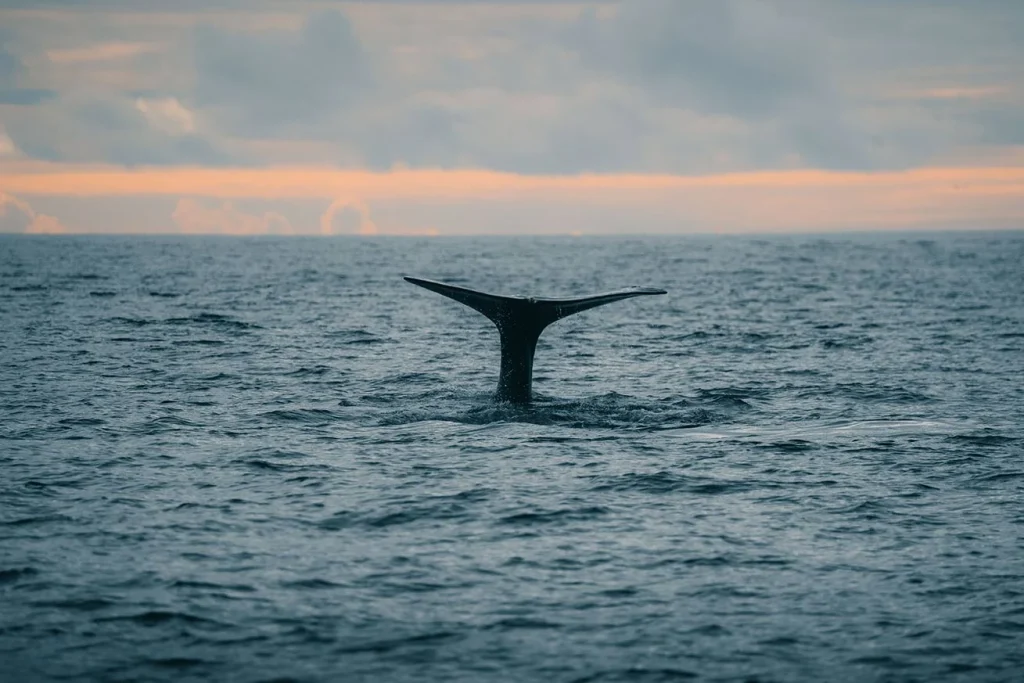
After near-extinction from commercial whaling, humpback whales have made a remarkable recovery in BC waters. These 40-ton giants migrate from breeding grounds in Hawaii and Mexico to feed in the Salish Sea between April and October. Their behaviors—breaching, tail slapping, and bubble-net feeding—make them spectacular subjects for photography. Individual humpbacks are tracked by researchers, and some, like the locally famous “Big Mama,” return to the same feeding areas annually.
Other Species
Minke whales, the smallest baleen whales in these waters, appear during summer months but are elusive and quick-moving. Grey whales pass through during spring migration (March-May), with some individuals staying to feed in shallow coastal areas through summer. Beyond whales, expect to see Steller and California sea lions hauled out on rocky outcrops, harbour seals resting near shorelines, Pacific white-sided dolphins, harbour porpoise, and bald eagles soaring overhead; elsewhere in BC, guided bear watching tours on Vancouver Island offer equally memorable coastal wildlife encounters. This diversity of marine life ensures that even if whale sightings are delayed, you’ll encounter remarkable wildlife throughout your trip.
Prime Whale Watching Locations
The Gulf Islands (Canadian side) and San Juan Islands (US side) form the core habitat for resident and transient orca populations. Boundary Pass, Haro Strait, and the channels between these islands concentrate marine mammals where currents funnel prey into predictable feeding areas.
The Strait of Georgia serves as both feeding ground and transit corridor, particularly for humpback whales moving between outer coast feeding areas and sheltered inland waters. Vancouver’s proximity to these locations—whale watching boats typically reach active areas within 1-2 hours—makes it possible to offer half-day tours that maximize time with wildlife rather than simply traveling.
Vancouver Whale Watching Tour Options
Selecting the right whale watching company depends on your departure location preference, desired vessel experience, and budget. West Coast Aquatics offers exceptional whale tours tailored to provide an amazing experience with knowledgeable and friendly staff committed to responsible wildlife viewing.
Departure Locations
Steveston Village
This historic fishing village in Richmond sits approximately 35 minutes south of downtown Vancouver. Departing from Steveston means shorter travel time to prime whale territory in the Gulf Islands and San Juan Islands, maximizing your wildlife viewing time. The village itself offers excellent fish and chips, the Britannia Shipyards National Historic Site, and a charming waterfront atmosphere—perfect for extending your whale watching adventure into a half-day trip. Parking is available but fills quickly during peak season; West Coast Aquatics may offer shuttle services from Vancouver hotels for an additional fee.
Granville Island
For visitors staying in downtown Vancouver, Granville Island departures eliminate the need for a rental car or long transit ride. You can walk, take public transit, or catch a water taxi to this urban departure point. The trade-off is slightly longer travel time to reach whale grounds, but the convenience factor makes this ideal for cruise passengers, families without vehicles, or anyone short on time.
Tour Operator: West Coast Aquatics
West Coast Aquatics operates from both Steveston and Granville Island, providing a unique adventure with knowledgeable staff who ensure you have a fantastic time. Their fleet includes environmentally-friendly vessels designed for comfort and excellent wildlife viewing. Tours typically last 3-5 hours and offer a lifetime adventure opportunity to see orcas, humpback whales, and other marine wildlife in a protected space.
West Coast Aquatics emphasizes marine education and conservation, with tour guides who are both knowledgeable and friendly, enhancing your experience by sharing insights into historical relationships between species and the natural beauty of the Pacific Coast.
Seasonal Considerations
Peak Season (May-September)
This window offers the highest whale sighting probability, best weather, and longest daylight hours. Humpback whales are abundant, Bigg’s orcas appear almost daily, and conditions favor photography with midday light and calmer seas. Tours run most frequently—often multiple departures daily—but book 2-4 weeks ahead to secure preferred dates.
Spring (March-May)
Grey whale migration brings these bottom-feeders through local waters heading north. Early humpbacks arrive, and orca transients remain active. Weather is more variable with occasional rain, but crowds are smaller and prices may be slightly lower.
Fall (October)
Whale activity remains strong though humpbacks begin migrating south. Fewer tourists mean smaller groups and more availability. Water temperatures remain reasonable, though daylight decreases noticeably by late October.
Winter (November-February)
Some operators offer winter whale watching for adventurous travelers. Sightings are less predictable, but sea lions, harbour seals, and bald eagles remain abundant. Dramatic winter scenery compensates for reduced whale activity, and you’ll have an intimate, small group experience.
Tour Types and Booking Your Vancouver Whale Watching Experience
Understanding vessel differences and pricing structures helps you select the whale watching experience that matches your expectations and constraints.
Vessel Types and Experiences
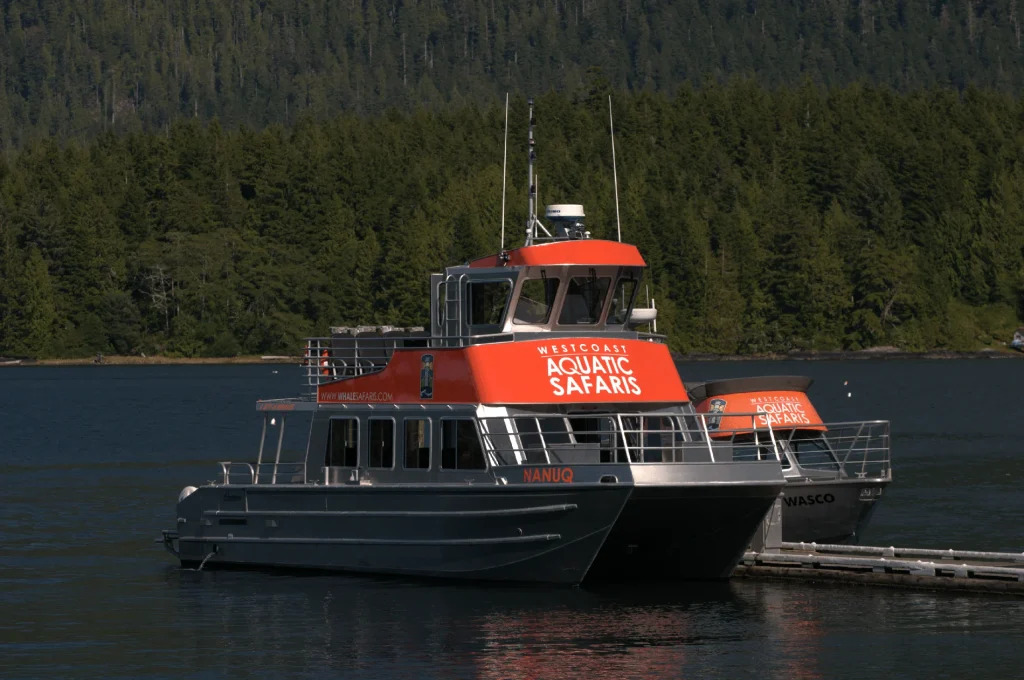
Different boats create distinctly different adventures. West Coast Aquatics offers options including zodiac boats for an intimate experience close to the water and covered catamarans for those prioritizing comfort. Both vessel types are equipped to provide excellent opportunities for taking photos of all the wildlife you encounter.
Zodiac/RIB Boats
Rigid inflatable boats carry 8-12 passengers at water level, providing intimate encounters with marine wildlife. These nimble vessels move quickly between sighting locations and can safely approach closer to rocky haul-outs where seals and sea lions rest. Flotation suits are provided for warmth and safety, and you’ll experience open air exposure to spray and wind. This option suits adventurous travelers comfortable with some physical demands.
Covered Catamarans
Large, stable catamarans accommodate 23-35+ passengers with indoor heated seating, large windows, restrooms, and often a galley serving drinks and snacks. The upper viewing deck provides excellent photography angles. Motion sickness is less common due to the twin-hull stability. These vessels suit families, seniors, and anyone prioritizing comfort.
Tour Duration and Pricing
West Coast Aquatics offers tours typically lasting 3-5 hours, balancing ample time to observe wildlife with comfort and convenience. Pricing is competitive and reflects the quality of the experience and knowledgeable staff.
Common Challenges and Solutions
Understanding typical concerns before your trip helps you prepare effectively and set appropriate expectations.
Weather and Sea Conditions
Tours operate rain or shine in BC—only severe weather triggering safety concerns causes cancellations. Dress in layers with a waterproof outer shell, bring a warm hat, and consider gloves even in summer. Water temperatures keep air cooler than you’d expect from shore. For motion sickness prevention, take medication before departure, sit toward the front of the vessel, keep your eyes on the horizon, and consider ginger supplements. Tour guides will brief you on conditions before departure.
No Whale Sightings
While rare (operators report 95-98% success), some trips don’t encounter whales. West Coast Aquatics offers a whale guarantee—typically a free return trip if no whales are spotted—ensuring you have an amazing experience. If you’re visiting Vancouver briefly, book early in your trip so you have time to use the guarantee if needed.
Best Time to Book
During peak season (June-August), popular time slots sell out weeks in advance—book 2-4 weeks ahead for your preferred date and departure time. Shoulder seasons (April-May, September-October) offer more flexibility; last-minute bookings are often possible. Early morning departures frequently have calmer seas; midday offers better photography light.
Transportation to Departure Points
To Steveston: Drive approximately 35 minutes from downtown Vancouver; parking in the village can fill during summer weekends. West Coast Aquatics may offer hotel shuttles for an additional fee.
To Granville Island: Take public transit, walk, or catch a water taxi from downtown. Limited parking exists but fills early on busy days.
Arrive 30-45 minutes before departure for check-in, safety briefing, and gear fitting (if applicable).
Conclusion and Next Steps
Vancouver delivers world-class whale watching experiences with consistently high success rates, diverse marine wildlife, and operators committed to responsible whale practices. West Coast Aquatics provides knowledgeable and friendly tour guides, ensuring you have a fantastic time while observing orcas, humpback whales, sea lions, and bald eagles in their protected space along the Pacific Coast.
Your next steps:
- Check seasonal timing against your travel dates—peak season (May-September) offers highest sighting probability
- Book your tour with West Coast Aquatics 2-4 weeks ahead for peak season; build in buffer days to use any guarantee if needed
- Prepare appropriate clothing layers regardless of the forecast
- Bring your camera for an amazing experience capturing all the wildlife and natural beauty
Related activities to consider: Explore Steveston Village’s Britannia Shipyards and fresh seafood scene before or after your tour. The Vancouver Aquarium offers complementary marine biology education, particularly valuable for children. Richmond’s diverse attractions provide full-day itinerary options combining your whale watching adventure with cultural and culinary exploration.
Frequently Asked Questions
What is the success rate for whale sightings in Vancouver?
West Coast Aquatics reports success rates of 95-98% during peak season. Success varies somewhat by season and specific conditions, but the probability of encountering whales, sea lions, harbour seals, or other marine mammals is extremely high on their tours.
What should I wear on a whale watching tour?
Dress in layers regardless of the forecast—temperatures on the water are cooler than on shore. Bring a waterproof outer layer, warm hat, and consider gloves even in summer months. On zodiac tours, flotation suits are provided for additional warmth. Sunscreen is essential on sunny days; the reflection off water intensifies UV exposure.
How far from Vancouver are the whale watching areas?
Travel time to active whale grounds depends on your departure point. From Steveston, boats typically reach primary viewing areas in the Gulf Islands within 45-60 minutes. From Granville Island, expect 60-90 minutes of transit. Total tour duration (3-5 hours) accounts for this travel time plus wildlife observation.
Can children participate in whale watching tours?
Yes, though age restrictions vary by vessel type. Large catamarans accommodate children of all ages with comfortable indoor seating. Zodiac tours typically require children to be at least 8 years old and able to wear provided safety gear properly. Check West Coast Aquatics’ specific policies; they may offer family packages with reduced children’s rates.
What happens if the weather is bad?
Tours operate in rain, wind, and overcast conditions—only severe weather triggering safety concerns causes cancellations. Covered catamaran tours offer indoor protection; zodiac tours provide flotation suits with weather resistance. If an operator cancels for safety, rebooking or refunds are standard. Guarantee policies typically still apply if you complete a tour without whale sightings.
Do I need to book in advance?
During peak season (June-August), book 2-4 weeks ahead to secure preferred dates and times. Shoulder seasons offer more flexibility for last-minute bookings. Morning departures tend to fill faster than afternoon options. Booking early in your Vancouver visit provides buffer time to use any whale guarantee if your first tour doesn’t produce sightings.