 Warenkorb
Best time to see whales in Tofino, There is a particular kind of quiet that falls over a boat when someone spots a spout on the horizon. Everyone stops talking at once. Cameras come up. Someone whispers, “There, there!” and points, and for a few seconds the whole boat holds its breath together. If you have never experienced that moment, you are in for something special, and Tofino happens to be one of the best places on the planet to have it.
But timing matters; it’s the best time to see whales in Tofino. Whales are wild animals, not theme park attractions, and their movements follow food, water temperature, and instinct rather than a tourist calendar. So before you book anything, it helps to actually understand when these animals show up, why they show up when they do, and what you can realistically expect to see depending on the month you choose to visit.
Why Tofino Is Such a Magnet for Whales
Best time to see whales in Tofino: Tucked along the wild, exposed edge of Vancouver Island, Tofino sits right beside Clayoquot Sound, a stretch of coastline packed with nutrient-rich water, kelp forests, and sheltered inlets. This combination creates one of the richest feeding grounds anywhere on the Pacific coast. Every year, whales traveling along the migratory highway between their southern breeding grounds and their northern feeding waters make a stop here, and many of them linger for weeks because the food is simply too good to pass up.
It is not an exaggeration to say some whales can gain a huge portion of their body weight while feeding in these waters before continuing north. That single fact tells you almost everything you need to know about why this coastline draws so much marine life season after season.
Spring: The Season Everyone Talks About
If you ask locals about the best time to see whales in Tofino, spring usually comes up first, and for good reason. This is peak gray whale season. We see grey whales all season long, with it starting in spring (March) and continuing through to the end of October, sometimes into November. These massive, barnacle-covered travelers pass close to shore as they move from their winter breeding lagoons toward colder northern waters, and Tofino sits almost directly on their route. Some choose to stop entirely, feeding in the shallows just offshore for days or even weeks.
Spring mornings on the water tend to be calm, the light is soft, and there is a genuine sense of anticipation in the air, like the coast itself is waking up after winter. This is also when many first-time visitors get lucky with especially close sightings, since gray whales often feed near the shoreline rather than far out at sea.
Humpbacks in the spring with the Haring spawn, then again the summer
As the days get longer, the humpback whales start arriving, and this is where things get truly dramatic. Humpbacks are famous for breaching, that incredible moment when tons of whales launch almost entirely out of the water before crashing back down in an explosion of white spray. Nothing quite prepares you for how loud and how close that impact sounds from a boat.
Summer is also when the ocean tends to be calmest, days are longer, and wildlife activity generally peaks. Alongside humpbacks, Best time to see whales in Tofino this is a fantastic stretch for spotting Less Sea Lions in the summer, harbour seals, playful porpoises, and bald eagles circling overhead. If your goal is a relaxed, family-friendly outing with the best odds of a varied wildlife show, summer checks almost every box.
Fall: Quieter Waters, Just as Rewarding
By autumn, crowds thin out, but the whales certainly have not left. Normally up to July then Back in September. Humpbacks are often still around finishing their feeding season, and this is a wonderful time for anyone who prefers a calmer, less crowded experience without giving up the chance of an incredible sighting Great time to see grey whales too. The light turns golden earlier in the day, storms start rolling in more dramatically along the coastline, and there is something almost cinematic about watching whales against that moody autumn sky.
What About Orcas?
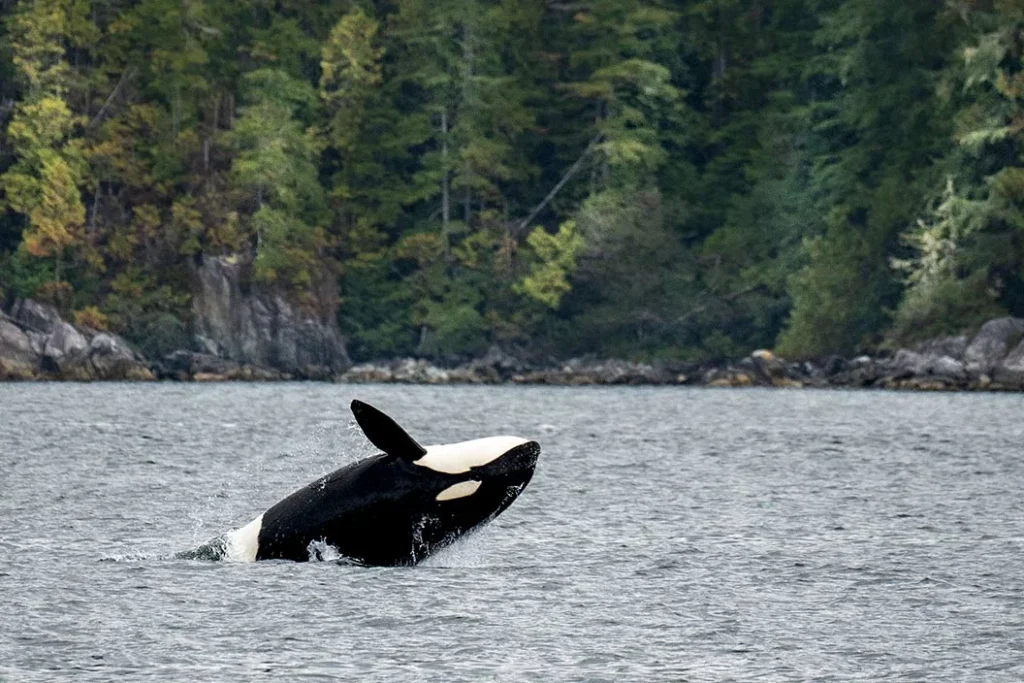
Unlike gray whales and humpbacks, orcas do not follow a strict migration pattern here. Transient orcas, sometimes called Biggs’ orcas, roam the coast year-round, hunting seals and other marine mammals, which means sightings can genuinely happen in any season. They are unpredictable, which is part of what makes spotting one so thrilling. There is no guaranteed month for orcas, but experienced crews who know the local waters and feeding patterns tend to have far better luck finding them.
When Should You Actually Book?
Honestly, there is no single wrong answer here. We can see grey whales all season long you the best odds for gray whales feeding close to shore. Summer offers the widest variety of marine life and the calmest seas. Fall rewards patient travelers with quieter tours and dramatic scenery. If seeing a specific species matters most to you, plan around that species. If you simply want to be out on the water surrounded by wildlife with a good chance of something memorable happening, almost any month between early spring and late fall will treat you well.
What matters just as much as timing is who takes you out there. Local knowledge makes an enormous difference. A crew that spends every single day on these waters knows where whales tend to gather, how weather patterns shift feeding behavior, and how to read subtle signs like circling birds or disturbed water that hint a whale is close by. That kind of experience cannot be replicated by luck alone.
If you are searching for tofino whale tours, look for an operator with an experienced crew, comfortable and safe vessels, and a genuine track record of successful sightings rather than empty promises. A good outfit will also be upfront about weather cancellations and safety protocols, because a responsible tour always puts well-being ahead of a strict schedule.
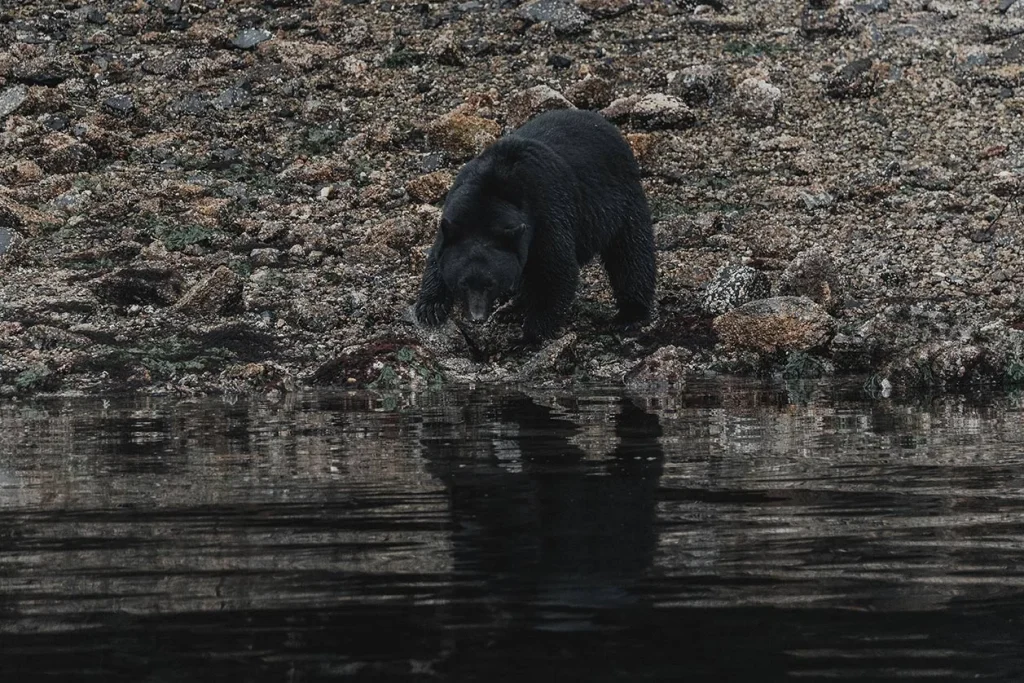
It is also worth remembering that whale watching is only one part of what makes this coastline special. Many visitors combine their trip with broader Tofino wildlife tours, exploring black bear habitats, sea bird colonies, and quiet coastal inlets that make this whole region feel alive in every direction you look.
Final Thoughts
Best time to see whales in Tofino , There is no perfect month, only the right month for what you are hoping to experience. Spring brings gray whales gliding past close to shore. Summer delivers humpback breaches and calm seas. Fall offers golden light and thinner crowds. And through it all, orcas move like shadows along the coast, appearing whenever they please.
Whatever season you choose, the ocean around Tofino has a way of humbling you. Watching a creature that size rise from the water, breathe, and disappear again reminds you just how small we really are and how lucky we are to witness it at all. Book with a crew who knows these waters, dress warmly, bring your camera, and let the coast do the rest.
Frequently Asked Questions:
1. What is the best time to see whales in Tofino?
Late spring through summer, from March to the end of October, offers the most reliable sightings since resident grey whales, humpbacks, and orcas are all active during this window. If you want to witness the migration itself, March and April are the best months to catch thousands of grey whales passing close to shore.
2. How many whales pass by Tofino each year?
Estimates suggest somewhere grey whales migrate past Tofino every spring on their way. A smaller group stays in the area through summer to feed.
3. What types of whales can you see in Tofino?
Gray whales are the most common sighting and are visible. Humpback whales typically arrive from late spring through fall, and Bigg’s orcas can appear throughout the year, especially in summer.
4. Is fall a good time for whale watching in Tofino?
Yes. September and October mark Greys getting their last bits before migration southbound migration. Tours tend to be quieter this time of year, making it a good option for travelers who prefer smaller crowds.
5. Do Tofino whale tours run in the winter?
Most whale watching pauses in November through January because of rougher seas and the end of the migration season. Orcas can still occasionally be spotted, but winter in Tofino is better known for storm watching than whale tours.
6. How long do whale watching tours in Tofino usually last?
Most tours run between two and a half to three hours, giving enough time to reach known feeding areas and migration routes. Tour length and vessel type can vary depending on the operator, so it’s worth checking details before booking.