 Warenkorb
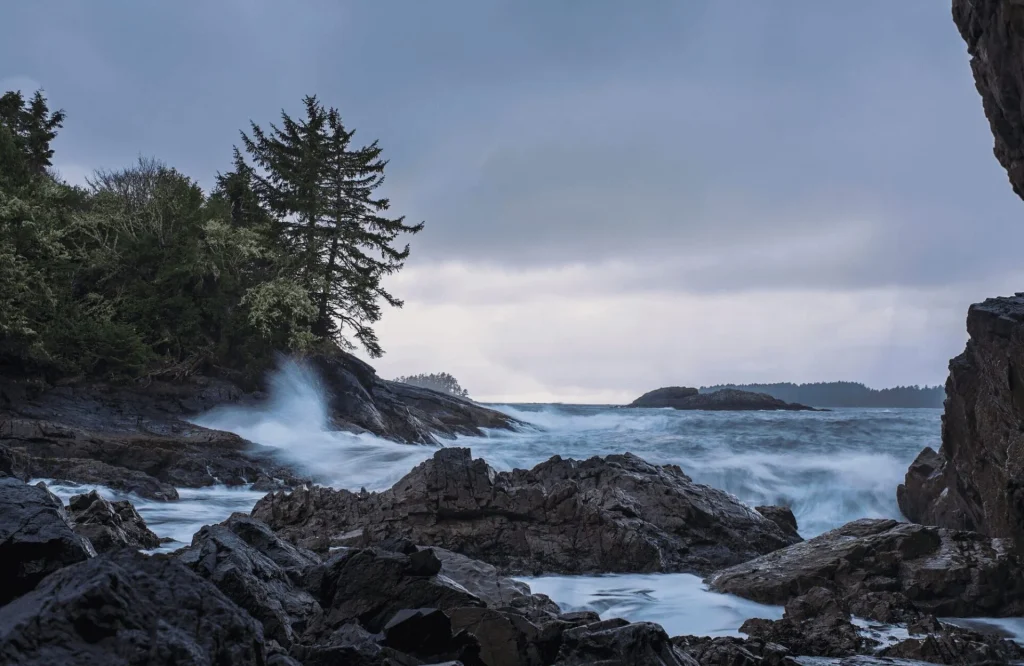
Located on the west coast of Vancouver Island in British Columbia, Clayoquot Sound is known for its ancient temperate rainforests, sheltered inlets, rugged coastline and diverse marine habitats. These environments form an interconnected ecosystem that supports wildlife on land and in the surrounding Pacific Ocean.
The region is also part of the Clayoquot Sound UNESCO Biosphere Reserve, designated in 2000. The designation recognizes the area’s ecological importance and the relationship between conservation, local communities and sustainable development. It does not mean that every part of the region is legally protected from industrial activity.
According to UNESCO, the biosphere reserve includes approximately 349,947 hectares of terrestrial and marine environments. Its landscapes range from forested valleys and alpine areas to beaches, estuaries and ocean waters.
Source: UNESCO: Clayoquot Sound
1. Ancient Temperate Rainforests
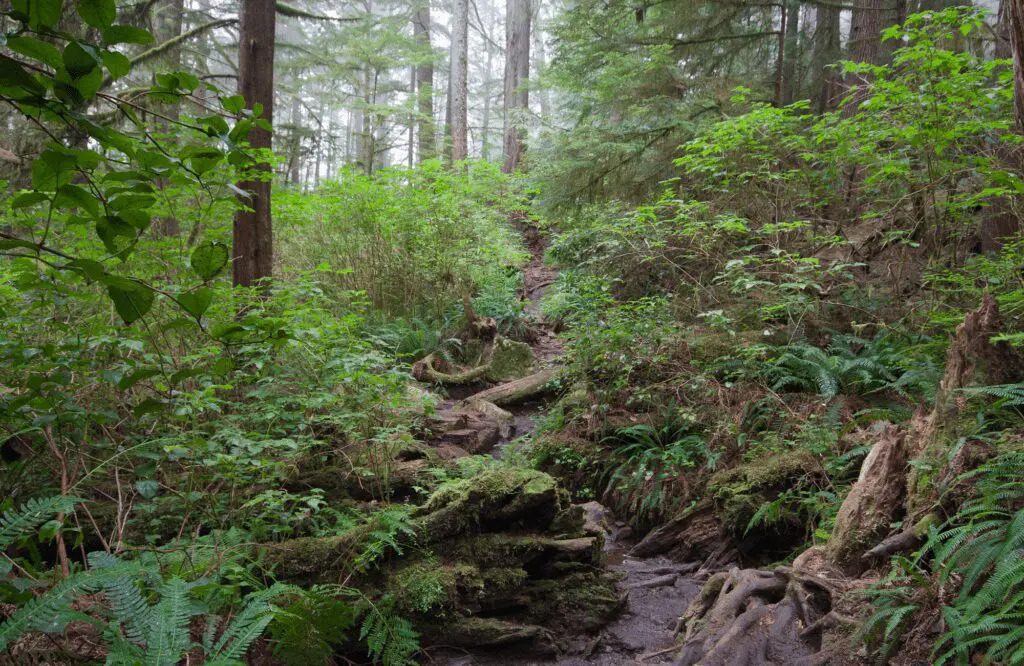
Clayoquot Sound contains some of British Columbia’s remaining old-growth coastal temperate rainforest. Western red cedar, western hemlock, Sitka spruce and other tree species contribute to forests with complex layers of vegetation.
Old-growth forests provide more than impressive scenery. Their canopies, fallen logs, decaying wood and shaded understories create habitats for plants, fungi, insects, birds and mammals.
These forests also help regulate water movement. Rainfall passes through vegetation and forest soils before flowing into streams and rivers. Maintaining healthy forest ecosystems therefore supports the freshwater and marine environments connected to them.
Source: Clayoquot Biosphere Trust: Ecosystems
2. Rivers, Lakes and Salmon Habitats
Freshwater is another essential part of the Clayoquot Sound ecosystem. Mountain valleys collect rainfall and channel it through streams and rivers toward coastal waters.
These waterways provide habitat for salmon and other aquatic species. Salmon connect freshwater and marine ecosystems through their life cycles, moving between rivers and the ocean and contributing nutrients to surrounding food webs.
However, these habitats face challenges. The Clayoquot Biosphere Trust identifies declining salmon populations and the need for ecosystem restoration as important regional concerns.
Protecting waterways involves maintaining suitable habitat, supporting restoration efforts and understanding how changes to forests and river systems affect aquatic life.
3. Marine Wildlife in Clayoquot Sound
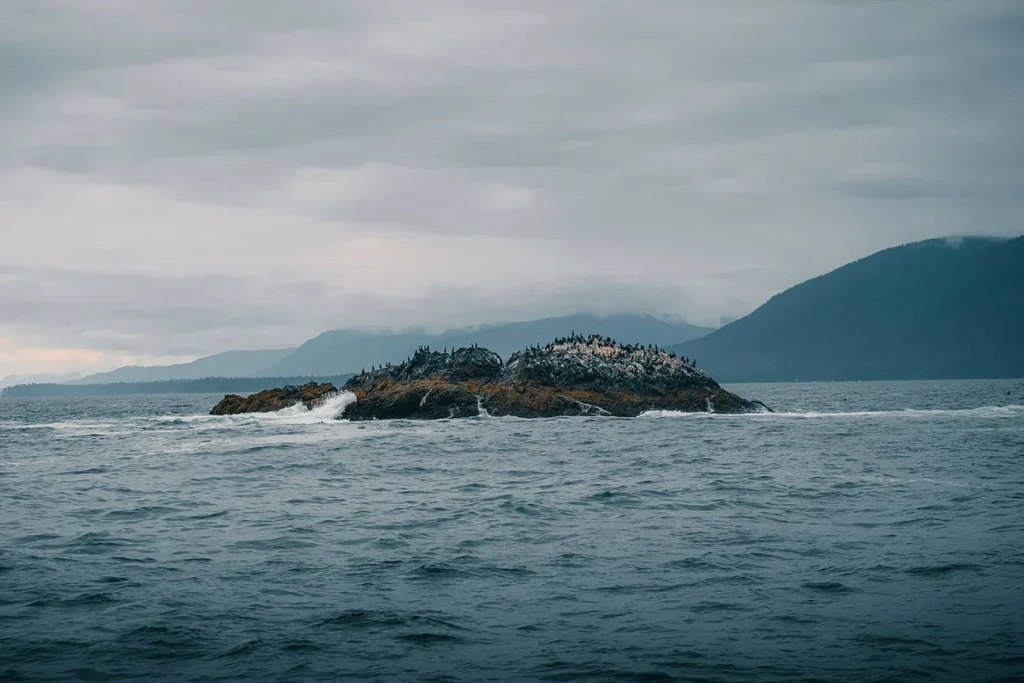
The coastal waters around Tofino support a variety of marine mammals, seabirds and other wildlife. Their presence reflects the connections between the open ocean, sheltered inlets, rocky shorelines and productive coastal habitats.
Wildlife found in the wider region includes:
- Grey whales: Some migrate along the Pacific coast, while others feed in regional waters.
- Humpback whales: These whales use coastal waters for feeding during parts of the year.
- Orcas: These marine mammals travel through regional waters, although sightings are never guaranteed.
- Sea otters: They help shape marine food webs by feeding on invertebrates such as sea urchins.
- Seals and sea lions: These marine mammals use coastal waters and haul-out sites.
- Bald eagles and seabirds: Coastal habitats provide opportunities for feeding, nesting and migration.
The specific animals visitors encounter depend on season, location and natural conditions.
For travelers, responsible wildlife tours can offer an opportunity to observe these animals without approaching or disturbing them unnecessarily.
Explore Whale Safaris’ whale-watching tours in Tofino to learn more about wildlife experiences in the region.
4. Estuaries, Mudflats and Coastal Habitats
Estuaries form where freshwater meets seawater. These nutrient-rich environments support a range of organisms and provide feeding and nursery habitats for wildlife.
Mudflats and intertidal areas are equally important. As tides rise and fall, these habitats expose feeding grounds for shorebirds and other animals while supporting marine invertebrates.
These environments demonstrate why Clayoquot Sound should not be understood as rainforest alone. Its ecological richness depends on the connections between land, freshwater and ocean habitats.
Changes to one part of this system can affect other parts, making the protection of connected habitats an important conservation priority.
5. Indigenous Stewardship and Conservation
Clayoquot Sound lies within the traditional territories of Nuu-chah-nulth First Nations, whose relationships with the land and waters extend back thousands of years.
Indigenous knowledge, governance and stewardship are important to understanding the region’s conservation history and future. Local First Nations have their own distinct cultures, communities, priorities and relationships with their territories, so they should not be treated as a single interchangeable group.
The Clayoquot Sound region has also experienced significant conflicts over forest logging and conservation. More recent conservation initiatives include First Nations-led efforts to protect old-growth forests and support community wellbeing.
Understanding this history provides a fuller picture of the region: conservation involves not only protecting habitats, but also recognizing Indigenous rights, knowledge and decision-making.
Learn more through the Clayoquot Biosphere Trust and its work supporting conservation and community initiatives.
6. Threats Facing the Clayoquot Sound Ecosystem
Despite its ecological importance, the region faces ongoing challenges.
Habitat disturbance: Logging and other development can fragment forests and affect biodiversity.
Freshwater pressures: Changes to watersheds and stream habitats can affect salmon and other aquatic species.
Marine ecosystem pressures: Wildlife depends on healthy feeding, breeding and migration habitats, which can be affected by human activity.
Tourism impacts: Poor wildlife-viewing practices, disturbance of sensitive habitats and careless waste disposal can put additional pressure on local environments.
Addressing these challenges requires long-term research, habitat protection, responsible recreation and cooperation among Indigenous governments, local communities, researchers and conservation organizations.
For visitors, small actions matter: follow local guidance, remain on designated trails, avoid disturbing wildlife and respect Indigenous cultural sites and access restrictions.
7. How Visitors Can Experience Clayoquot Sound Responsibly
Visitors can experience the region through guided wildlife tours, coastal walks and other outdoor activities. The best approach is to enjoy these environments while minimizing disturbance.
Consider these practices:
- Choose operators that explain their wildlife-viewing and environmental practices.
- Follow guide instructions and maintain appropriate distances from animals.
- Stay on designated trails and respect restricted areas.
- Avoid feeding wildlife or leaving food and waste behind.
- Learn about the Indigenous territories you are visiting and follow local cultural guidance.
Whale Safaris offers wildlife experiences around Tofino, including whale watching, bear watching and other coastal excursions. These activities can help visitors appreciate the connections between marine and terrestrial habitats.
See Whale Safaris’ available Tofino tours when planning your visit.
Häufig gestellte Fragen
What is the Clayoquot Sound ecosystem?
The Clayoquot Sound ecosystem includes interconnected temperate rainforests, rivers, lakes, estuaries, beaches, mudflats and marine environments on the west coast of Vancouver Island.
Is Clayoquot Sound a UNESCO World Heritage Site?
No. Clayoquot Sound is a UNESCO Biosphere Reserve, designated in 2000. A biosphere reserve is different from a UNESCO World Heritage Site and does not automatically make every area within its boundaries legally protected.
What wildlife lives in Clayoquot Sound?
The wider region supports grey whales, humpback whales, orcas, sea otters, seals, sea lions, black bears, bald eagles and many other species. Sightings vary with season and conditions.
Why are old-growth forests important in Clayoquot Sound?
Old-growth forests provide complex habitats, support biodiversity, store carbon and help regulate water movement through watersheds. They also connect terrestrial environments with streams and coastal waters.
How can visitors help protect the ecosystem?
Visitors can follow local recreation guidelines, respect wildlife, remain on designated trails, avoid disturbing cultural sites and choose responsible tourism experiences.
Explore Clayoquot Sound with Whale Safaris
Clayoquot Sound’s ecological value comes from the relationships between its ancient forests, freshwater systems, coastal habitats and marine wildlife. Understanding these connections helps visitors appreciate why responsible tourism and long-term conservation matter.
If you are visiting Tofino, a guided wildlife experience offers one way to learn more about the region’s natural environment while observing its wildlife responsibly.
Explore Whale Safaris’ Tofino wildlife tours to plan your next coastal adventure.